
When It Stops Being a DIY Job
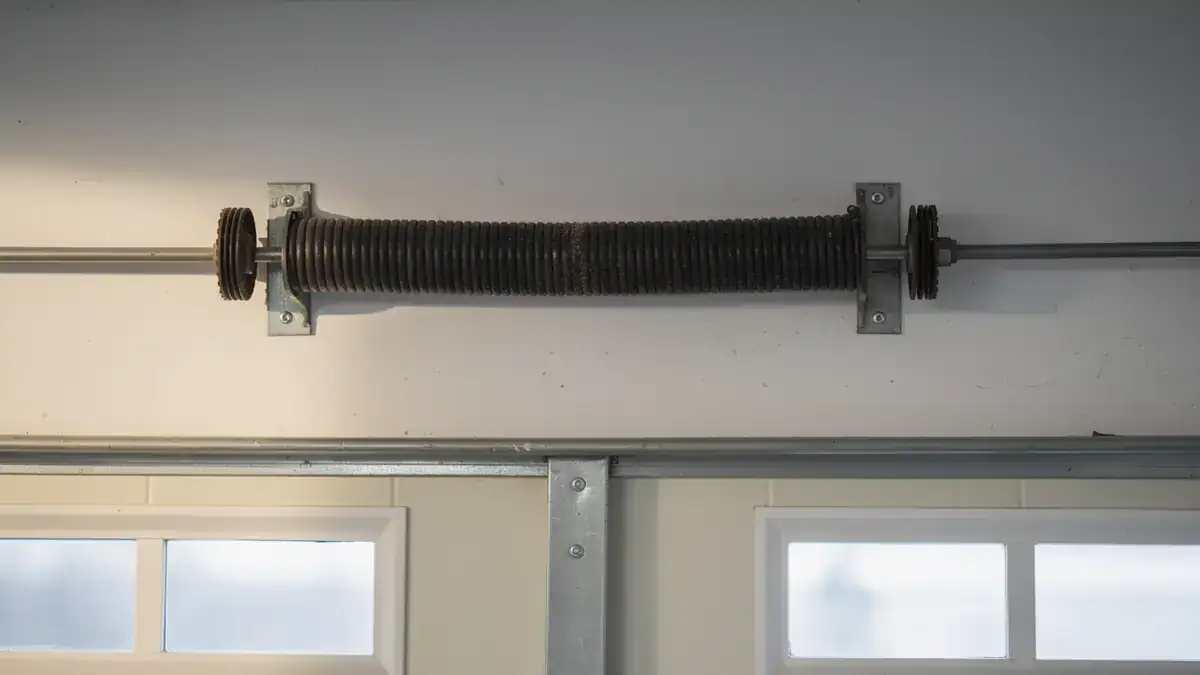
Most garage doors around Addison went up somewhere between 1973 and 2009, with the bulk of that stock dating to around 2002. That matters more than people think. A door from the early part of that range is old enough that its torsion spring has likely been cycled tens of thousands of times, and the opener - if it's original - is a chain-drive unit with a logic board that doesn't talk to anything built in the last decade. Tightening a loose track bolt or swapping a worn roller is still a reasonable weekend job on a door that age. A spring that's lost tension, a cable that's frayed at the drum, or a opener that's grinding instead of lifting - those aren't. The spring is under enough stored force to break a hand or a face if it lets go while you're working on it, and on a 2002-era door you're also fighting hardware that may not match anything sold today. If the door came with the house and the house came from that build window, assume the parts are original until proven otherwise, and treat spring and cable work as a call, not a project.
How Local Conditions Play In
This area sits in a moderate heat climate band, not a cold one, and that shapes what actually fails on a garage door here. Sustained heat dries out lubrication on rollers and hinges faster than cold does, and it softens the nylon or composite rollers that came standard on doors built through the 2000s, which is a big share of what's installed around Addison. Steel panels also expand under heat, which is why a door that closes fine in the morning can bind slightly by late afternoon - not because something broke, but because the track and panel tolerances shifted a few degrees' worth. Springs here fail more from heat-accelerated wear on the coil finish than from the kind of brittle cold-snap failure you'd see further north. None of this means panic over small noises; it means the maintenance that matters most locally is lubrication and roller condition, not insulation against freezing, which isn't the pressure this area's doors are built to handle.
The Situation
Addison sits inside a service area of roughly 45,576 households, with about 37,275 of those owner-occupied houses - a market where most people are deciding whether to fix or replace, not whether to call a landlord. Median household income here runs around $158,333, which is part of why a fair number of owners choose full door or opener replacement over patching an aging unit once it starts needing repeat visits - the math works out differently than in a market where every repair has to stretch. Nearby areas like both about 3 miles east, share the same general housing age and climate pressures, as do communities such as Highland Park, Murphy, and Parker further out. The short version: this is a market of houses old enough to have real hardware to deal with, in a climate that wears doors down through heat rather than cold, with owners who can usually choose replacement when repair stops making sense.











