
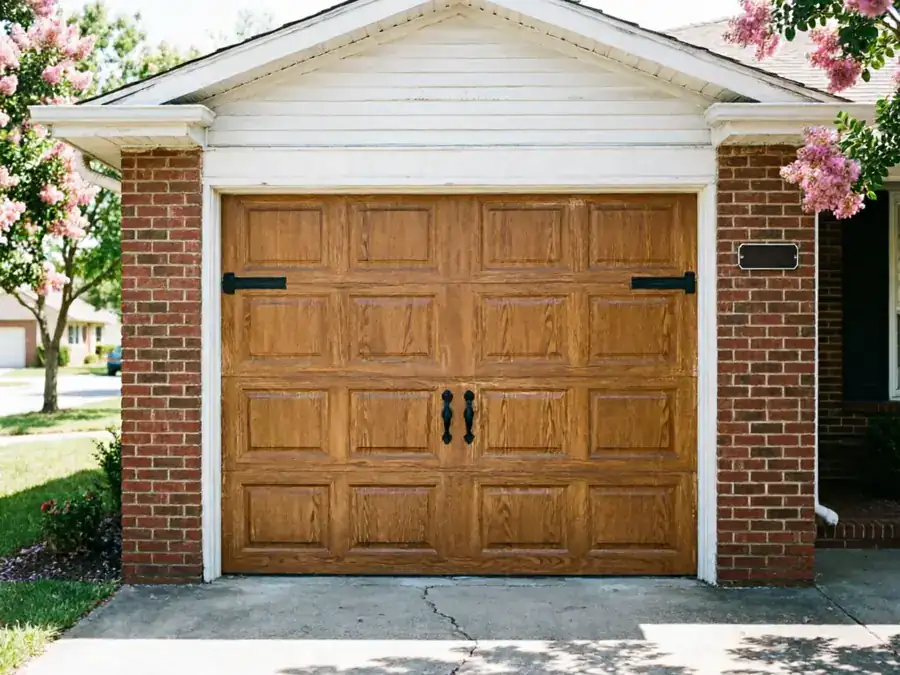
What the Housing Means for Your Door
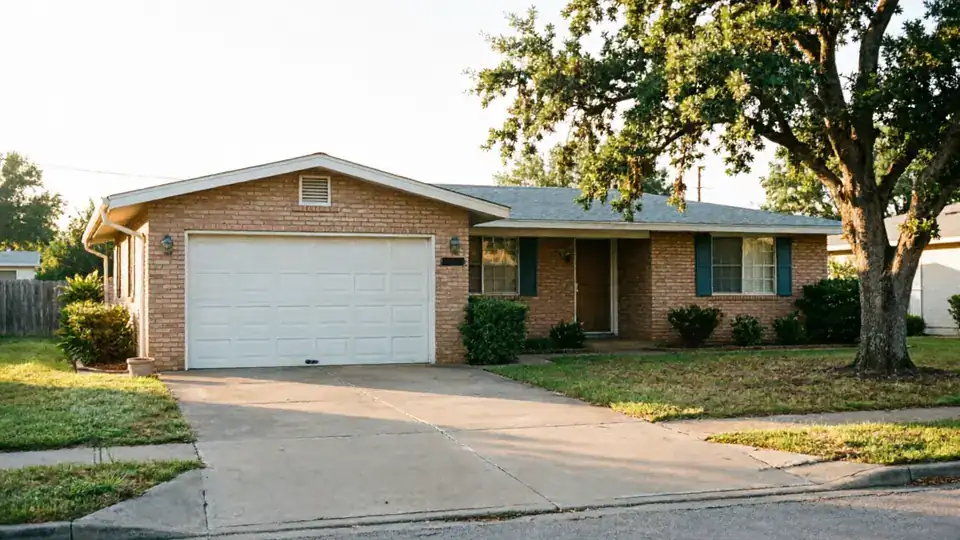
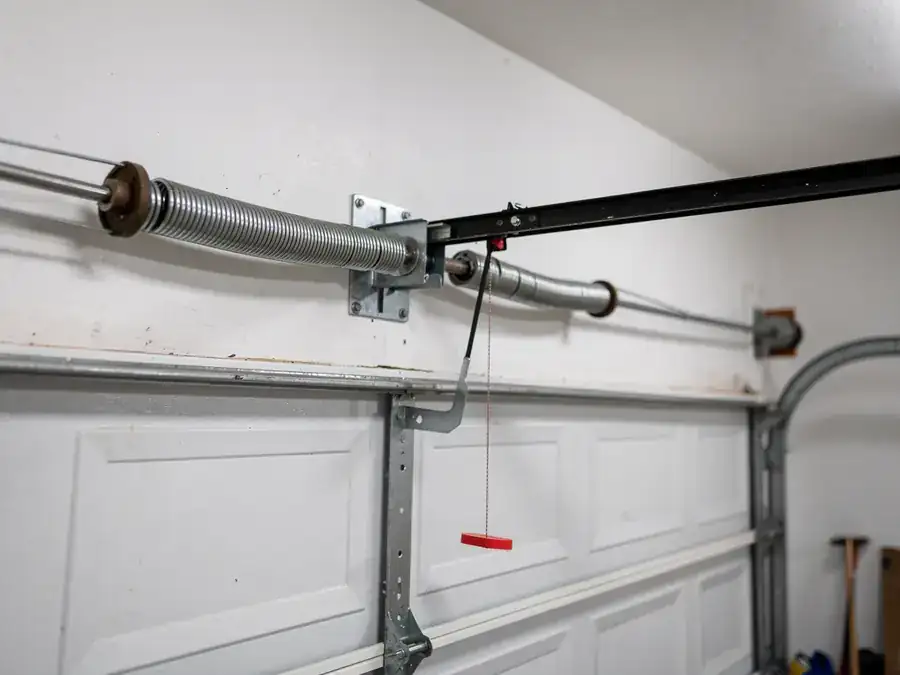
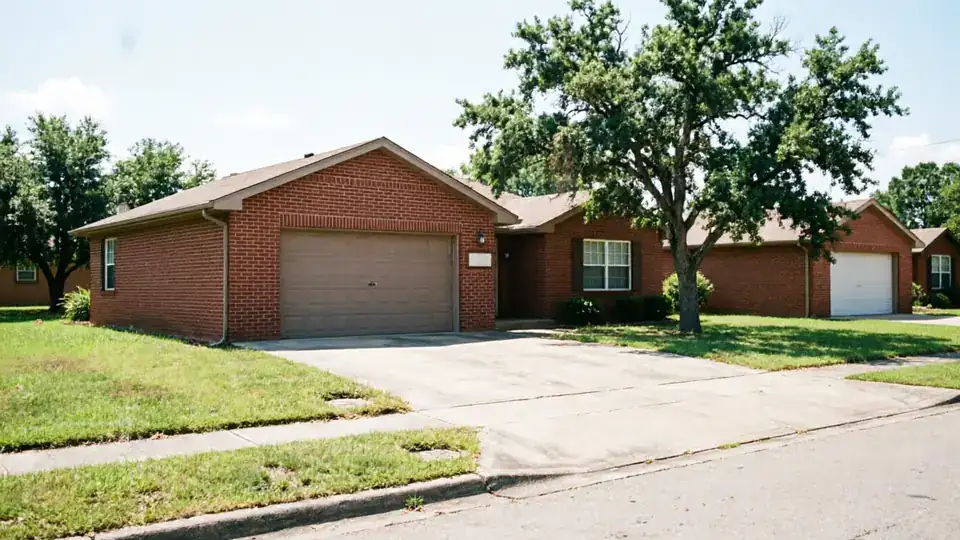
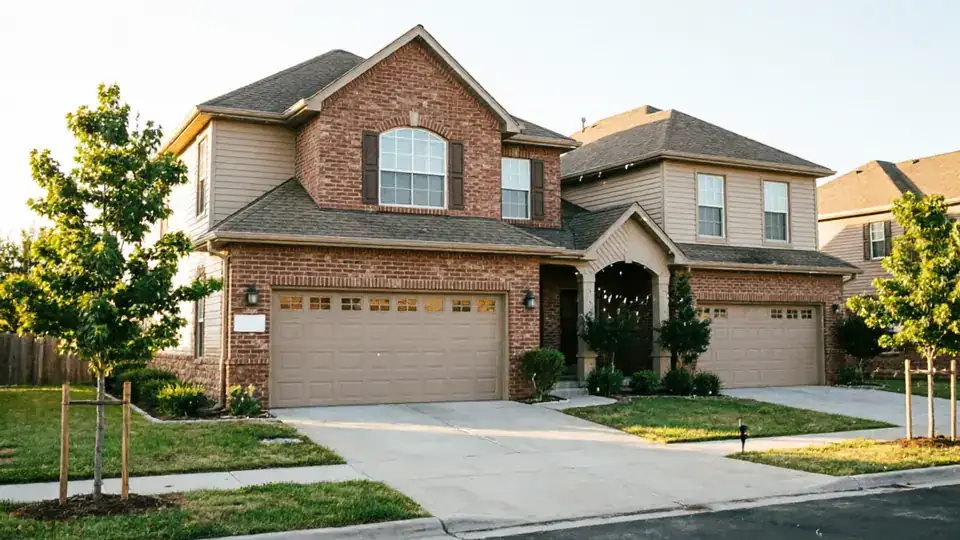
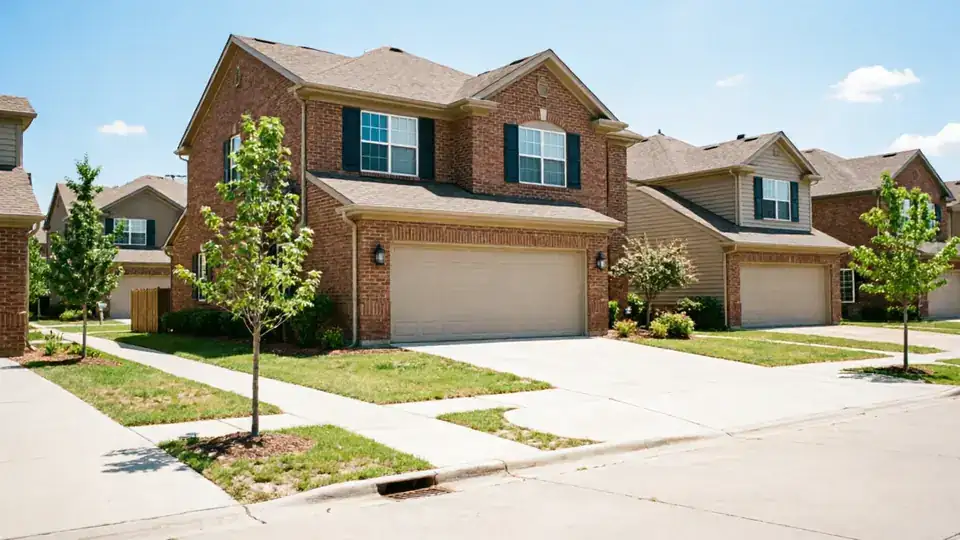
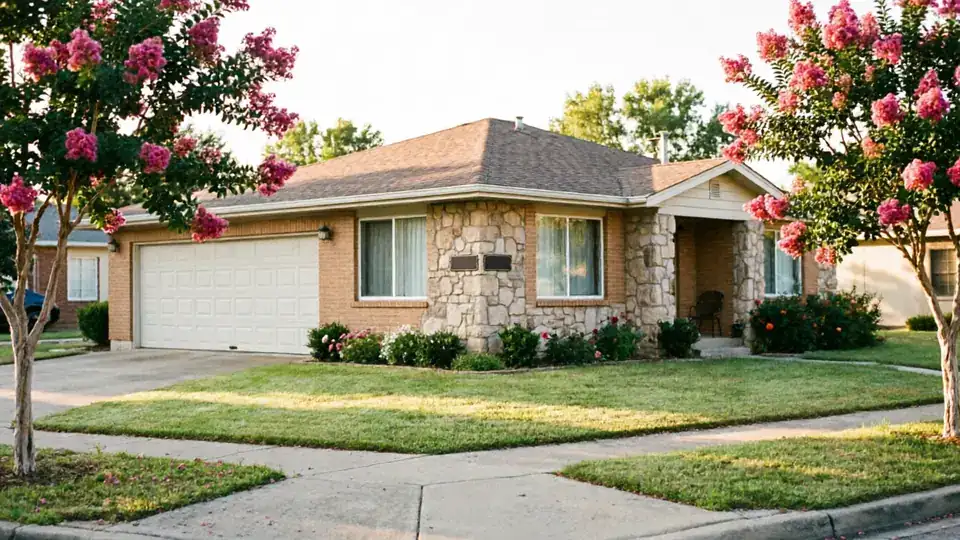
Highland Village's housing stock centers on 1993, which puts it a decade or so ahead of the broader service area's median build year of 2002. That gap matters more than it sounds. A door and opener installed in the early-to-mid 90s is now over thirty years old, and most of that original equipment has already been swapped out once or is due. What we see here skews toward second-generation installs: openers from the 2000s and 2010s replacing the builder-grade units, torsion springs that have already been through one full cycle count, and tracks that were adjusted once by a previous owner and never looked at again. Compare that to newer pockets in the wider area built after 2000, where the first-generation hardware is often still in place and just now starting to show wear. In Highland Village, you're less likely to find factory-original parts and more likely to find a mix - a replacement opener bolted to an original track, or a spring swapped without touching the drums. That mix is exactly where mismatched hardware causes trouble: a new opener fighting an old spring, or a drum sized for a door that was reinforced after a panel replacement.
This Area's Housing
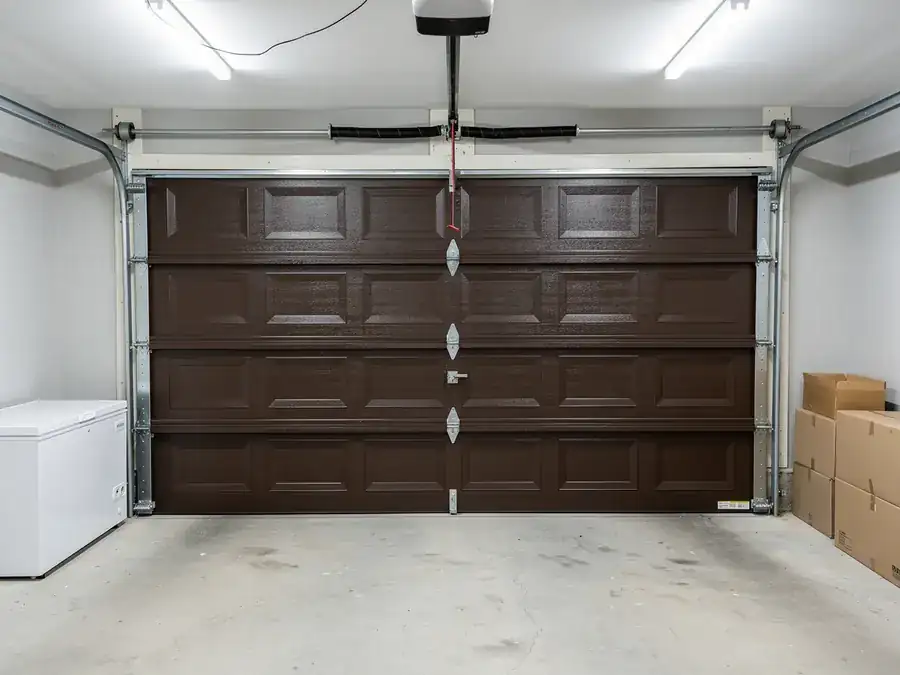
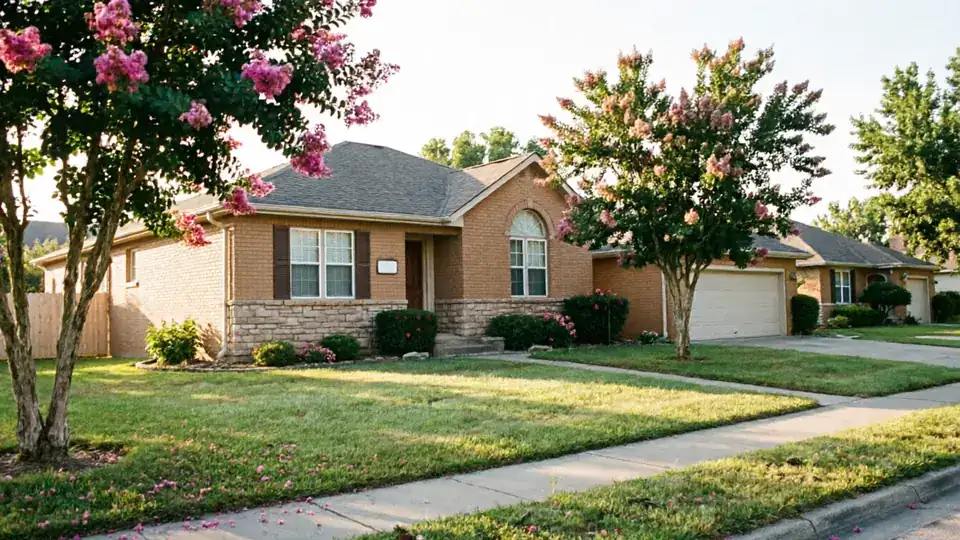
With roughly 5,380 households and a median year built around 1993, Highland Village sits on the older end of the area's housing range, which runs from the early 1970s up through 2009. That means fewer builder-grade doors still in original condition and more homes on their second or third garage door system. Median household income here runs about $164,459, somewhat above the wider area's $158,333, and we see that reflected in the equipment - more insulated steel doors, more belt-drive openers with battery backup, fewer bare chain-drive units left untouched since installation. It also means repairs here tend to be smaller and more targeted: a opener board swap, a cable replacement, a sensor realignment, rather than a full system overhaul. The housing is old enough that original tracks and jamb hardware sometimes don't match current door weights, but new enough that most homes have already had one real upgrade pass.
What We Do Most in This Area
From Addison, the drive out to Highland Village runs about 16 miles, and the work we bring with us reflects the age and layout of what's actually on these streets - not a generic service list. Given the 1993 median build year, we spend more time here diagnosing openers that are on their second unit than fixing factory-original equipment. Spring replacement is common, but we check spring weight against the door before swapping, since a fair number of doors here have had insulation or panel upgrades that changed the load after the original spring was sized. One honest limit: if a door's track or jamb hardware was never updated when the opener was replaced, sometimes the cheapest fix is replacing the whole assembly rather than forcing a new opener onto old brackets - we'll tell you when that's the case instead of patching around it. Climate-wise, this area falls in a moderate heat band, so we're not dealing with the extreme cycling that panels see further south, which helps doors here last longer between major repairs.









